


More than eight per cent of the world population or around673 million peopleare not getting enough to eat and going hungry, according to the UN.
People around the world who are transforming food systems in their local communities are being recognised and supported by the UNs Food and Agriculture Organization (FAO).
Millions of Haitians are facing food insecurity as armed groups continue to expand their territorial control around the country, the latest internationally-recognised IPC hunger report found.
Conflict, climate change and inequality are all playing a role, but there are other reasons for what is known rather dryly as food insecurity.
Ahead ofWorld Food Dayon 16 October, here are five things you need to know about why even though theres enough food to feed the global population of over eight billion people still go hungry.
1. Conflict and Political Instability
Armed conflicts, such as those in Ukraine, Sudan and Gaza, disrupt food production, supply chains, and access to markets. This leads to the displacement of people, creating acute food insecurity for millions.
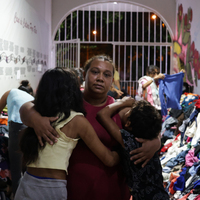
InHaiti, an estimated 5.7 million people around half the population many of whom have fled their home because of violence, are facing a deteriorating food security situation with a striking 1.9 million at emergency levels.
WFP/Tanya BirkbeckWFP distributes food to the residents of gang-affected Cit Soleil, in Haiti's capital Port-au-Prince.In conflict areas, the UN, primarily through the World Food Programme (WFP) delivers immediate food aid to populations facing acute food insecurity.
Affected communities are also supplied with seeds, livestock and farming tools so they can grow food for themselves and not have to rely on aid.
2. Climate change and extreme weather
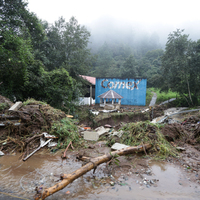
Increasing climate variability, including droughts, floods, and heatwaves, all play havoc with the ability of farmers to grow food. This undermines agricultural productivity and food availability, especially in vulnerable regions.
Somalia, Sudan, South Sudan, Mali, Burkina Faso, the Democratic Republic of the Congo (DRC), Nigeria, and Ethiopia all face acute food insecurity driven by a combination of conflict, droughts, floods, and desertification.
Somalia, for example, is experiencing its worst drought in four decades, compounding years of conflict and displacement.
UNICEF/Zerihun SewunetA boy rolls a water container in Dollow on the Somali border with Ethiopia.The UN promotes climate-resilient farming practices to mitigate the impact of environmental shocks and adapt to new weather norms, for example,the half-moon agricultural techniquein the Sahel region of Africa.
3. Economic shocks and inflation
Global and regional economic downturns, rising food and energy prices, and inflation have combined to reduce purchasing power and access to nutritious food, particularly in low-income countries.
TheCOVID-19pandemic, the war in Ukraine and climate shocks all contributed to food prices surges between 2020 and 2024.
As food prices rose, real wages fell and inflation kicked in, people especially in low-income countries were less able to afford nutritious food and often ate fewer meals per day.
WFP/Arete/Damilola OnafuwaA two-year-old girl eats a nutritional supplement at a health centre in Maiduguri in northern Nigeria.During periods of economic shocks and inflation, the United Nations scales up distribution of food rations and nutritional supplements as well as providing cash-based transfers to help families buy food locally, supporting both nutrition and local markets.
4. Structural poverty and inequality
Deep-rooted poverty and social inequality limit access to food and resources, especially in rural and marginalised communities, perpetuating chronic hunger.
Low incomes, poor infrastructure and local services often mean that those marginalised (and especially women and indigenous groups) are not getting enough to eat.
Nearly 700 million people live in extreme poverty globally, with two-thirds residing in Sub-Saharan Africa, according to the UN.
The UN through various agencies seeks to strengthen social protection systems and move away from crisis-focused humanitarian aid, to a model in which low-income countries drive the development of resilient, inclusive, and sustainable food systems.
This approach empowers communities to reduce hunger, build local capacity, and improve long-term food security.
5. Trade disruptions and market volatility
Export restrictions, tariffs, and volatile commodity pricescan destabilise food markets, making food less affordable and accessible in food-deficit countries.
IFAD/GMB AkashIn Bangladesh, farmers are growing more climate resilient crops.Bangladesh, Pakistan, and Sri Lanka are all grappling with food price volatility and debt challenges. These issues are compounded by trade policy uncertainty, especially global tariffs and inflation.
This ultimately limits peoples access to affordable food.
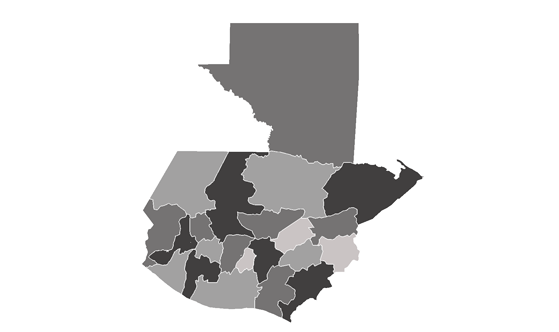
Hunger map:Hunger Map 2025 | FAO | Food and Agriculture Organization of the United Nations
Brazil and Mexico have both experienced downward growth revisions due to trade tensions and inflation. This has weakened consumer spending and increased food insecurity among low-income communities.
The UN works in a number of ways to support affected countries.
It monitors global prices, offers policy guidance, and has coordinated international responses to help countries navigate the interlinked crises of food, energy, and finance. These efforts aim to stabilise markets and protect the vulnerable.
WFP/Tanya BirkbeckWFP distributes food to the residents of gang-affected Cit Soleil, in Haiti's capital Port-au-Prince.UNICEF/Zerihun SewunetA boy rolls a water container in Dollow on the Somali border with Ethiopia.WFP/Arete/Damilola OnafuwaA two-year-old girl eats a nutritional supplement at a health centre in Maiduguri in northern Nigeria.IFAD/GMB AkashIn Bangladesh, farmers are growing more climate resilient crops.