


The Endangered Species Committee met on March 31 for the first time in more than three decades and voted to allow oil and gas drilling in the Gulf of Mexico to proceed without full consideration of its effects on endangered marine life.
The decision came at the request of Defense Secretary Pete Hegseth, saying disruptions to Gulf oil production would benefit U.S. adversaries amid the war with Iran.
Mike Worley, president and CEO of the Georgia Wildlife Federation, said the decision undermines a law which has been effective for half a century.
"I think it's incumbent upon us to be thoughtful about the way we address, admittedly, some of the challenges associated with the Endangered Species Act," Worley stressed. "But this should not be a knee-jerk reaction to short-term problems. It needs to be a reasoned, thoughtful evaluation of a very successful legislative initiative."
The committee has only convened three times in its 53-year history. Environmental groups had sought to block the meeting and said they will challenge the exemption in court. Critics warned the ruling could speed the extinction of the Rice's whale, a rare species found exclusively in the Gulf of Mexico. Government biologists estimate only about 50 remain.
Worley pointed out the Endangered Species Act has helped recover some of America's most iconic species, like the bald eagle and remains critical for protecting less well-known species across the Southeast, including the eastern indigo snake and the red-cockaded woodpecker. The bird was downlisted from endangered to threatened in 2024 after five decades of conservation efforts.
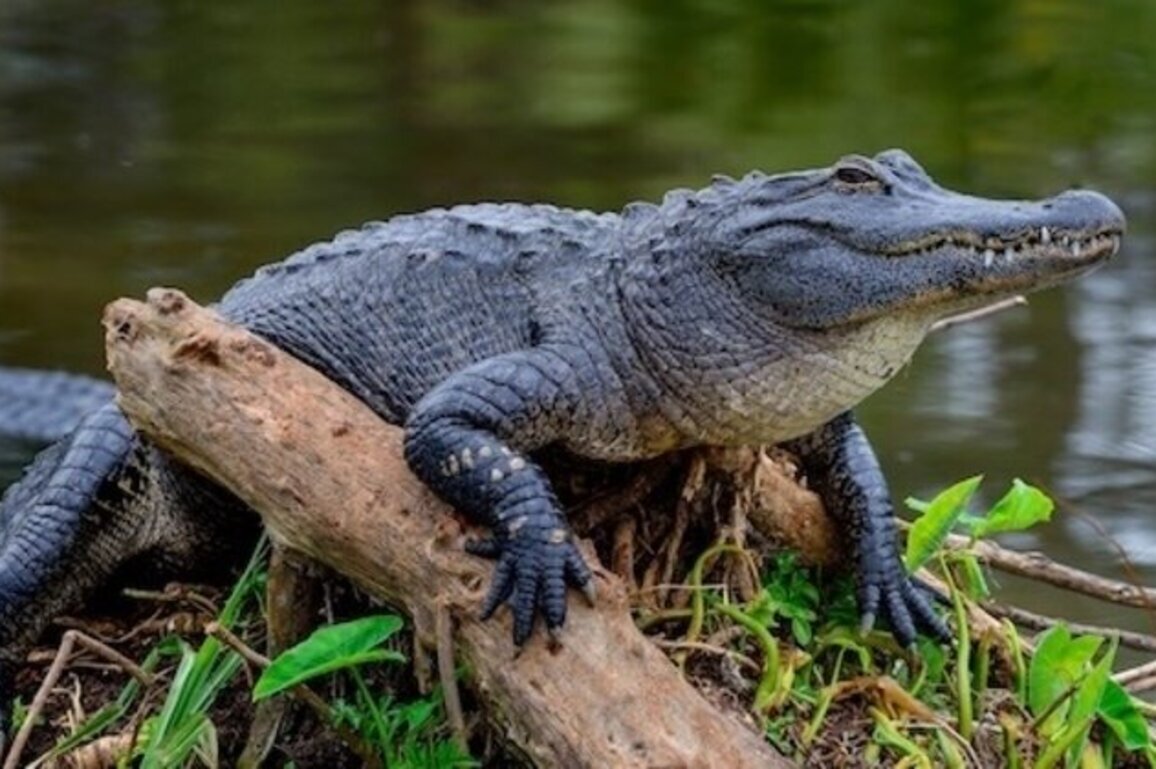
"This legislation has been tremendously effective at helping us recover some of our most iconic species from the peril of extinction," Worley emphasized. "It's helped us recover a lot of plants and animals that aren't so well-known as the American bald eagle or the American alligator or some of these others."
The Gulf of Mexico is one of the nation's top oil regions, producing 2 million barrels a day. Industry groups supported the exemption, saying it would streamline approvals and prevent litigation from delaying projects. Conservationists countered the decision sets a dangerous precedent.
Source: Public News Service